
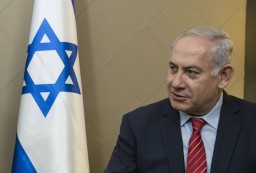
Israeli Prime Minister Benjamin Netanyahu stood before reporters on Friday with a message of approaching victory, declaring that Iran had been stripped of its ability to enrich uranium or manufacture ballistic missiles after twenty days of warfare. He denied claims that Israel had drawn the United States into the conflict, labeling them fictional. Netanyahu’s press conference radiated strategic confidence and a belief that the war’s end was closer than most people realized.
On the topic of the US-Israel relationship, Netanyahu was expansive and emphatic. He called the coordination between himself and Trump historically unmatched, while framing Trump as the dominant partner in the alliance. Netanyahu disclosed that Trump had briefed him on aspects of Iran’s nuclear threat rather than receiving a one-sided Israeli presentation, illustrating the depth of Trump’s independent understanding of the danger.
The prime minister confirmed Israel struck the South Pars gas compound alone and acknowledged Trump’s request to pause further attacks on Iranian gas infrastructure. He treated both the operation and the subsequent diplomatic exchange as natural features of an extraordinary alliance. Netanyahu made clear that Israel’s military autonomy remained fully intact despite the close partnership with Washington.
Netanyahu called Iran’s Hormuz threats blackmail and said they would fail. He proposed pipeline corridors across the Arabian Peninsula to Israeli and Mediterranean ports as a lasting alternative energy route. Netanyahu framed this proposal as part of a broader post-conflict vision for regional infrastructure development.
Netanyahu closed with observations about Iran’s leadership breakdown. He noted the anticipated new supreme leader had not appeared publicly and admitted he did not know who was governing Iran. Netanyahu pointed to fierce competition among Tehran’s power factions as evidence of internal chaos and concluded that this, combined with military losses, was driving the war toward a swift conclusion.