
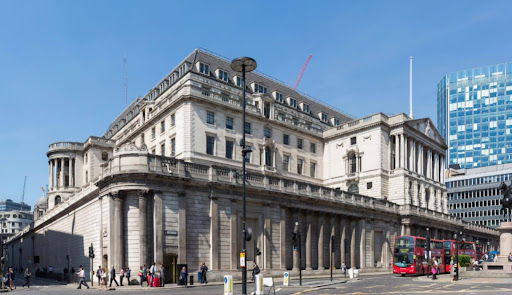
The Bank of England voted unanimously to keep rates at 3.75% at Thursday’s meeting, but the possibility of a June rate hike loomed large over the decision as the committee assessed the inflationary consequences of the war in the Middle East. Officials warned that rising energy prices driven by the US-Israel conflict against Iran could push UK inflation above 3%, making the prospect of borrowing cost increases very real. The hold decision itself was expected, but the hawkish context surrounding it caught some analysts off guard.
The Iran conflict has transformed the UK’s monetary policy environment in a matter of weeks. Before hostilities began, the Bank had been widely expected to cut rates at this meeting, reflecting falling inflation and a cooling labour market. The war has replaced that dovish scenario with genuine concern about a new inflation shock driven by global energy market disruption.
Governor Andrew Bailey said the effects of the conflict were already being felt in the UK economy through rising petrol prices. He warned that the knock-on impact on household energy bills could be significant if the situation persists. The Bank’s response, he said, was to hold, observe, and prepare to act if the inflation picture worsened materially.
Markets interpreted the communication as a signal that June could be a live meeting for rate action. UK gilt yields rose and the FTSE 100 fell as traders adjusted to the prospect of tighter monetary policy sooner than had been expected. The pound gained against the dollar following the Bank’s announcement.
The broader economic context adds complexity to the Bank’s deliberations. Official data released the same day showed wage growth slowing and unemployment rising, conditions that would normally support easier monetary policy. But with an energy-driven inflation shock threatening to build in the months ahead, the Bank appears to be giving greater weight to the price stability mandate than to supporting growth or employment.