
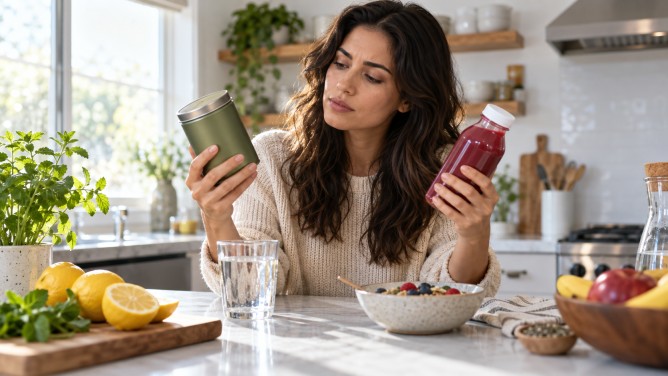
As wellness trends continue to gain traction online, it’s important to approach certain practices with caution, even if they seem natural or rooted in traditional medicine. Many popular routines, such as detox teas, DIY cleanses, and high-dose supplements, are often promoted as simple solutions to everyday health concerns. However, without proper guidance and understanding, these trends can pose risks to your health.
Take oil pulling, for example. This practice involves swishing edible oil, like coconut or sesame, in the mouth to improve oral health. While it might sound beneficial, there is limited scientific evidence supporting its claims of whitening teeth or preventing dental issues. Moreover, forceful swishing can strain jaw muscles, particularly for those with jaw joint problems. To minimize risks, avoid forceful movements and never substitute oil pulling for regular dental care.
Another trend is the consumption of detox teas, often marketed as a way to flatten the stomach and improve digestion. Many such teas contain laxatives like senna, which can lead to dehydration and electrolyte imbalances when used excessively. Instead of relying on these teas, it’s advisable to maintain a balanced diet rich in fiber and seek medical advice for persistent digestive issues.
Intensive panchakarma cleanses, derived from Ayurvedic practices, are also gaining popularity. However, attempting these at home without professional supervision can lead to dehydration and inadequate nutrition. Traditional treatments need to be tailored to individual health needs, and professional guidance is essential to avoid adverse effects.
Similarly, other wellness practices such as excessive water intake, aggressive dry brushing, and the use of high-dose herbal supplements carry potential risks. Drinking large quantities of water in a short period can cause hyponatremia, a dangerous condition due to sodium dilution. Aggressive dry brushing can damage the skin, and high-dose supplements might interact with medications or cause side effects.
When it comes to weight management trends, like adding large amounts of ghee to cold drinks, it’s crucial to recognize that such practices lack scientific backing for weight loss benefits. Instead, focus on balanced dietary habits and regular physical activity.
To make informed wellness choices, evaluate the evidence supporting any health trend and consider its potential risks. Avoid extreme practices and seek professional advice when necessary. Remember, the most effective wellness routine is one that is safe, sustainable, and tailored to your individual needs.