
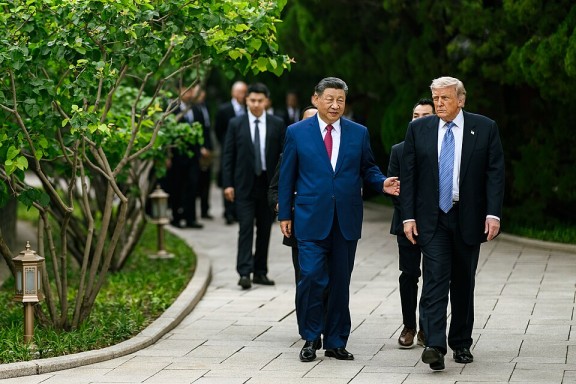
The G7 summit in France has reignited discussions about whether China should be included in the talks that shape the global economy and international politics. Originally formed in 1975, the G7 comprised the world’s leading industrial democracies addressing economic challenges. At that time, China was not considered a major economic player and was largely disconnected from the global financial system. However, the landscape has significantly changed, with China now standing as the world’s second-largest economy and a pivotal contributor to international trade, manufacturing, technology, energy markets, and supply chains. This shift in economic power has prompted some analysts to question the effectiveness of global discussions without direct participation from Beijing.
Notwithstanding China’s economic clout, the G7 has traditionally been a coalition of advanced democratic nations. The political differences and contrasting stances on international matters have remained substantial barriers to China’s membership. The summit is expected to see China as a central topic, with leaders likely to address issues such as trade imbalances, industrial subsidies, supply chain security, access to critical minerals, and the impact of Chinese exports on domestic markets. Despite these challenges, many policymakers advocate for engagement with China as essential to tackling global issues like climate change, economic stability, and technological advancement. Chinese officials have consistently called for increased international cooperation and cautioned against actions that could exacerbate global divisions.
Proponents of retaining the current G7 composition argue that introducing China could complicate the group’s ability to reach agreements on crucial topics. They cite the differing political systems, strategic priorities, and geopolitical interests as potential sources of discord. This debate underscores a larger question for the international community: how global institutions should evolve in response to a world where economic power is increasingly dispersed beyond traditional Western alliances.
As discussions at the summit progress, China’s influence on the global economy is expected to remain a key concern, even in the absence of a Chinese representative. The ongoing dialogue reflects the delicate balance world leaders must navigate as they consider how to integrate a rapidly changing global landscape with longstanding diplomatic frameworks.