
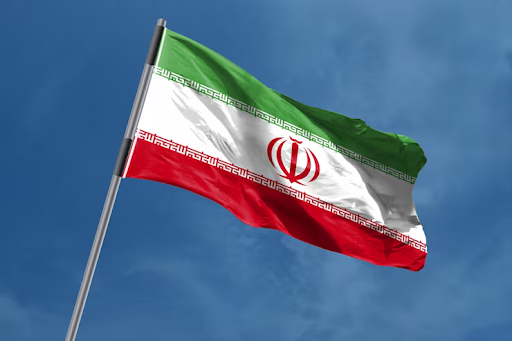
White House press secretary Karoline Leavitt projected confidence on Wednesday that the Trump administration was on track to end the war with Iran within its stated four-to-six-week timeline, despite Iran’s rejection of the US ceasefire proposal. She described the state of negotiations as “productive” and said Iran had clearly signalled its desire to reach an agreement. The statements stood in notable contrast to Iran’s public position that it had no current intention of negotiating.
Leavitt’s comments reflected the administration’s deliberate strategy of maintaining a positive narrative around the conflict even as concrete progress remained elusive. The White House described the military campaign as a “resounding victory” so far, pointing to the destruction of 92% of Iran’s largest naval vessels and over two-thirds of its missile and drone production facilities. Officials positioned these military gains as creating the conditions under which a favourable diplomatic resolution could be achieved.
The press secretary confirmed that while direct face-to-face talks were being considered as an option, reporters should not expect an imminent breakthrough. This balanced messaging — optimistic enough to maintain confidence but careful enough to avoid setting expectations that couldn’t be met — was characteristic of the administration’s approach. The White House continued to point to Trump’s May 14 Beijing trip as evidence of a broader strategic context within which the Iran war was being managed.
The administration faced a difficult communications challenge. On one hand, it needed to demonstrate progress to a domestic audience growing restless with the conflict’s costs. On the other, it could not afford to oversell a diplomatic breakthrough that had not materialised, risking a credibility collapse if Iran continued to publicly reject negotiations. The careful hedging in Leavitt’s language — “productive discussions” rather than “imminent deal” — reflected this tension.
Iran’s five-point counter-proposal, while officially described by the White House as something to be reviewed, contained conditions that were fundamentally incompatible with US war aims. The reparations demand, in particular, was unlikely to survive any serious domestic political scrutiny in Washington. The gap between the administration’s optimistic public messaging and the actual distance between the parties’ positions remained one of the defining features of the current diplomatic landscape.