
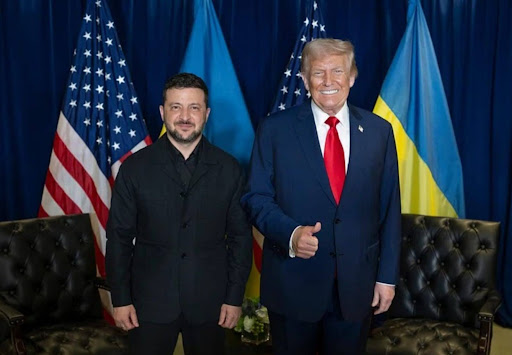
The arc of Ukraine’s drone defense proposal — offered in good faith in August, refused in error by parts of the Trump administration, and accepted under fire months later — encapsulates one of the more avoidable strategic failures in recent American military history. The offer was sound. The refusal was politically motivated. The acceptance was forced by casualties. The sequence did not have to unfold this way.
Ukraine’s good faith in making the offer is not in question. Kyiv genuinely possessed the capability it was proposing to share and genuinely believed it was relevant to America’s security challenges in West Asia. The August White House briefing was prepared professionally, presented comprehensively, and accompanied by a specific and actionable warning about Iran’s advancing drone program.
The refusal was driven by political dynamics within the Trump administration rather than a careful assessment of the proposal’s strategic merits. Some officials doubted Zelensky’s motives. Others failed to follow through on Trump’s instruction. The combination produced a failure of both political judgment and institutional accountability.
The acceptance came after seven Americans were killed by the drones that Ukraine had warned about. Washington’s request for Ukrainian assistance reflected a complete reversal of the assessment that had dismissed the August proposal. Ukraine’s response — a 24-hour deployment of specialists and systems — validated the capability that had been doubted.
The offer made in good faith is now operational in Jordan and Gulf states. The refusal made in error has been reversed at enormous cost. The acceptance made under fire has produced a partnership that should have existed from August. The arc is complete; its lesson is permanent.