
Emerging health data reveals troubling prevalence rates for metabolic liver conditions. A comprehensive study from February uncovered that metabolic complications affect nearly half the adult population, leading to significant liver fat accumulation. This widespread condition develops quietly, with most affected individuals remaining unaware until advanced stages, highlighting the urgent need for accessible dietary strategies.
The progression of fatty liver follows a preventable yet potentially devastating trajectory. Initially asymptomatic, fat accumulation triggers inflammatory pathways that damage liver tissue progressively. Over time, these inflammatory processes lead to permanent scarring that compromises essential liver functions. Without dietary and lifestyle interventions, the condition can evolve into life-threatening complications that dramatically impact overall health and wellbeing.
Drawing on credentials in nutritional science and metabolic health, one specialist has outlined five powerful foods with proven liver-protective and recovery-supporting properties. These evidence-based recommendations target fundamental mechanisms underlying liver disease. Each food provides distinct benefits through inflammation reduction, oxidative stress management, or enhancement of natural regenerative capabilities.
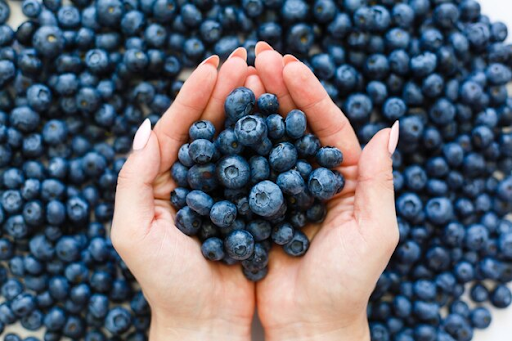
The highlighted foods demonstrate various mechanisms of liver protection and healing. Certain caffeinated beverages actively interfere with disease progression through multiple documented biological pathways. Deeply pigmented fruits contain specialized molecules that reduce inflammatory responses within liver tissue. Traditional remedies provide concentrated antioxidants that combat oxidative damage, while nutrient-dense foods enhance cellular regeneration through unique nutritional compounds.
Adopting these recommendations involves practical, manageable dietary changes rather than radical overhauls. The focus remains on regular, consistent inclusion of these beneficial foods through simple habits. Whether choosing specific morning beverages, adding particular fruits to meals, or incorporating certain traditional spices into cooking, these straightforward modifications create sustainable patterns that yield substantial liver health improvements when maintained over time.