
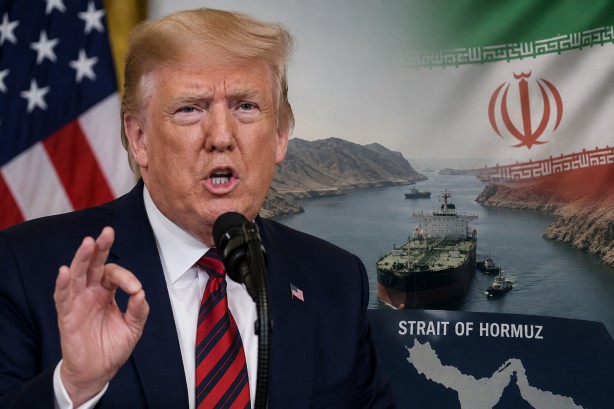
Iran has issued a stark warning to Gulf states, indicating that any new military action by the United States on Iranian territory would provoke retaliatory strikes against vital energy infrastructure throughout the Gulf region. This warning was communicated during discussions held by Iranian Foreign Minister Abbas Araqchi with high-ranking officials from Saudi Arabia, Qatar, Turkey, and Pakistan. Iran has urged these regional allies to influence Washington in favor of diplomatic solutions to avoid further military escalation.
The backdrop to this warning is the recent threat from U.S. President Donald Trump, who suggested targeting Iran’s energy infrastructure. In reaction, Iran has emphasized that while it prefers diplomatic engagement, it is fully prepared to counterattack if provoked. The potential targets of Iran’s retaliation have reportedly been outlined to include oil facilities, refineries, power grids, water systems, transportation networks, and oil fields across the Gulf, highlighting the possible disruption of energy supplies and the escalation of regional tensions.
Amid these developments, Saudi Arabia has reportedly advised the United States to focus on negotiations rather than contributing to an escalation of the conflict. It has also made it clear that it would take measures to safeguard its own territory if attacked. This stance underscores Saudi Arabia’s delicate balance between advocating for peace and maintaining its own national security.
The situation has raised significant concerns among regional leaders about the potential for a broader conflict that could threaten global energy markets. As a result, there is a strong push for diplomatic resolutions to prevent any hostilities that could destabilize the already volatile region. The international community watches closely as these nations navigate the complex interplay of diplomacy and defense in the face of mounting tensions.