
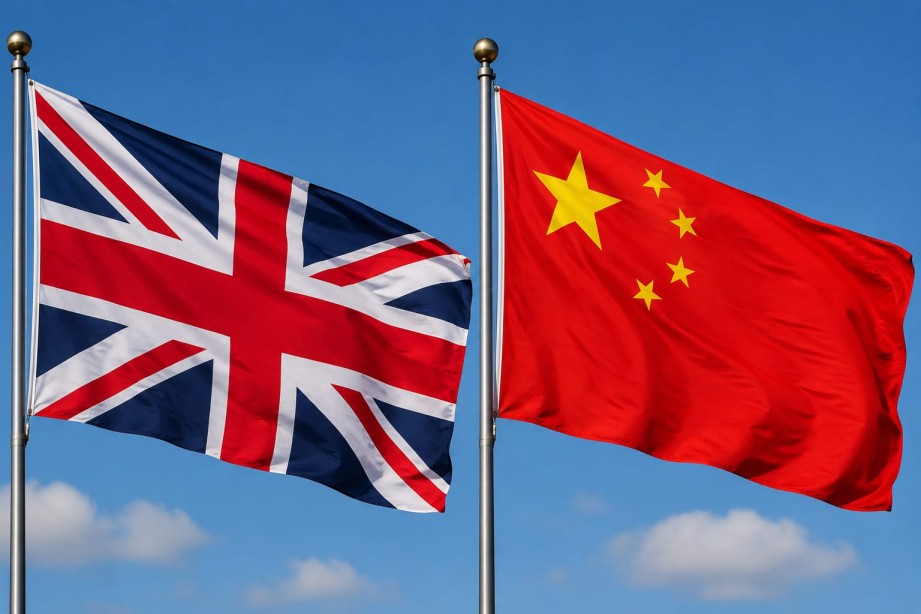
In a notable advancement for bilateral relations, China and the United Kingdom have agreed to expedite their joint feasibility study on a potential bilateral services trade agreement. This collaborative effort aims to enhance cooperation in sectors of high-value services, a significant move amidst the ongoing global trade challenges.
The decision emerged from recent discussions at the China-UK Joint Economic and Trade Commission meeting held in London. Chinese Commerce Minister Wang Wentao expressed his enthusiasm for increased investment from British enterprises, urging the UK to maintain a fair and unbiased environment for Chinese businesses operating within its territory. Both nations reiterated their dedication to uphold the rules-based global trading system, aligning their stance with the World Trade Organization’s principles.
Peter Kyle, the UK’s Business and Trade Secretary, underscored the importance of expanding cooperation in services as a fundamental aspect of UK-China relations. He emphasized the substantial opportunities presented by China’s rapidly growing services sector for British companies. Kyle also confirmed the UK’s commitment to deepening collaboration through the bilateral services initiative and the ongoing trade agreement exploration.
Meanwhile, China raised its concerns regarding the UK’s new steel import restrictions, urging a revision to ensure these measures align with international trade regulations. This issue highlights the complexities inherent in trade relationships but underscores the importance of continued dialogue and negotiation.
Experts anticipate that the proposed services trade agreement could open new avenues for cooperation in various sectors, including finance, banking, education, professional services, skills training, and creative industries. Despite existing challenges, merchandise trade between China and the UK has shown growth, with a 6.5% year-on-year increase in bilateral goods trade during the first five months of 2026, reflecting the resilience and potential of their economic partnership.