
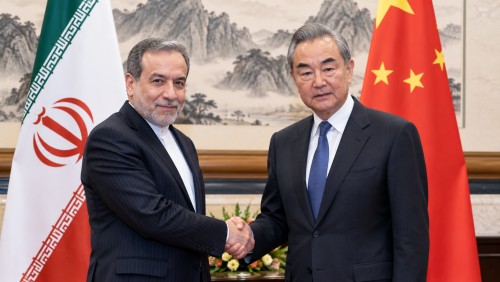
Global stability and energy security are at stake as Chinese Foreign Minister Wang Yi calls for renewed diplomatic efforts to ease tensions between Iran and the United States. In a recent meeting in Beijing with Iranian Foreign Minister Abbas Araghchi, Wang emphasized that the ongoing conflict disrupts international interests and urged a return to negotiations based on existing agreements.
The situation in the Strait of Hormuz, a critical maritime chokepoint for global energy supplies, was a focal point in Wang’s call for peace. He stressed the importance of keeping international shipping routes open, underscoring that stability in this area is crucial for maintaining international supply chains. The Chinese foreign minister’s appeal to reopen the strait highlighted the broader implications of the U.S.-Iran tensions on global trade and energy markets.
In addition to the concerns over maritime security, Wang encouraged regional countries to prevent the escalation of tensions into other areas, such as Yemen and the Red Sea. He advocated for disputes to be resolved through dialogue and negotiation rather than conflict, reflecting China’s broader diplomatic strategy in the Middle East.
Iran’s Foreign Minister Araghchi expressed Tehran’s willingness to engage in diplomatic channels while safeguarding its national interests. He reiterated Iran’s recognition of the existing memorandum of understanding with the United States as a valid framework for discussions. Additionally, Araghchi welcomed China’s initiatives aimed at fostering peace and security in the region and expressed Iran’s readiness to enhance cooperation with Beijing.
These talks in Beijing signal a potential shift towards de-escalation and renewed diplomacy, with China positioning itself as a mediator in the complex geopolitical landscape. As global powers navigate these tensions, the outcome of such diplomatic efforts remains critical for regional stability and international economic interests.